
Personalized Travel 2026: New Lifestyle Trends Shaping Modern Journeys
A survey by Booking.com covering 29,000 travelers across 33 countries — including Vietnam — reveals a striking shift in how people approach travel in 2026: the journey itself has become a mirror of identity. It is no longer enough to simply visit a place. Travelers now choose destinations that reflect who they are, what they value, and even who they aspire to become.
This transformation is not gradual. According to Branavan Aruljothi, Country Director of Booking.com in Vietnam, travel is evolving from a leisure activity into one of the most personal forms of self-expression available. The data backs this up: Vietnamese travelers, in particular, are leading several of these emerging trends with remarkably high adoption rates.
This article breaks down the defining personalized travel trends of 2026 — what they mean, why they are gaining momentum, and how to actually integrate them into the way you plan your next trip.
Glow-Cations: When Skincare Becomes the Itinerary

The concept of traveling specifically to care for your skin and body has moved well beyond niche wellness retreats. According to Booking.com's data, 92% of Vietnamese travelers expressed interest in personalized skincare vacation packages — a figure that places Vietnam among the most enthusiastic markets for what the industry now calls glow-cations.
What makes a glow-cation genuinely different from a standard spa trip is the level of personalization involved. Rather than booking a generic massage package, travelers are now seeking itineraries built around their skin type, climate sensitivity, and wellness goals. Destinations like Hội An and Huế in Vietnam already offer traditional herbal treatments and handcrafted botanical skincare products that align naturally with this demand. Internationally, Ayurvedic retreats in India and hammam experiences in Morocco represent the same philosophy applied through different cultural lenses.
The role of technology here is significant: 86% of Vietnamese respondents said they would consider using AI to select a destination based on their specific skin needs. Additionally, 95% expressed interest in sleep-optimized hotel rooms with circadian lighting — a detail that illustrates how deeply the personalization extends, from the treatment table all the way to the pillow.
Nostalgic and Memory-Driven Travel: The Past as a Destination

Booking.com's research found that 36% of travelers believe nostalgic trips offer meaningful opportunities for reflection and genuine reconnection — not just with places, but with versions of themselves they may have left behind. Among travelers with children, 58% specifically want to revisit destinations from their own childhood, according to Hilton's 2025 Trends Report.
The generational dimension is equally telling: 53% of Gen Z and 40% of Millennials describe family summer vacations as their most formative childhood memories. This creates a powerful emotional engine behind what some are calling PastPorts travel — using old photographs, family stories, or even AI-powered photo analysis tools to pinpoint and revisit exact moments in time and place.
In practice, this trend favors destinations with preserved historic character over newly developed resort areas. Villages with traditional architecture, regional cuisine that has not been modernized for tourist palates, and slow travel itineraries that allow for genuine cultural immersion all serve this purpose well. For Vietnam, regions like the ancient streets of Hội An or the imperial architecture of Huế carry exactly the kind of layered history that memory-driven travelers seek.
Literary and Cultural Journeys: Traveling Inside a Story
The travel-meets-literature crossover — sometimes called bookbound travel — is gaining serious traction among culturally motivated travelers. The premise is straightforward: visit the real-world locations that inspired or appear in literature you love, and experience those places through the lens of the stories that made them famous.
The destinations associated with this trend are remarkably specific. Bath in England draws visitors connected to Jane Austen's novels. Dublin sees literary pilgrims retracing James Joyce's footsteps. Edinburgh, particularly the Grassmarket area and the Elephant House café, has become a Harry Potter landmark through J.K. Rowling's early writing years there. In New York, the Liberty Hotel houses a collection of 6,000 books, while London's Academy Hotel in the Bloomsbury literary district caters directly to this audience.
What sets this apart from standard cultural tourism is the intentionality. Travelers are not simply sightseeing — they are building a personal narrative around their journey, selecting every element of the trip to align with a specific literary or artistic identity. This is personalized travel in one of its most intellectual forms.
Spiritual and Celestial Travel: Letting the Stars Guide the Route
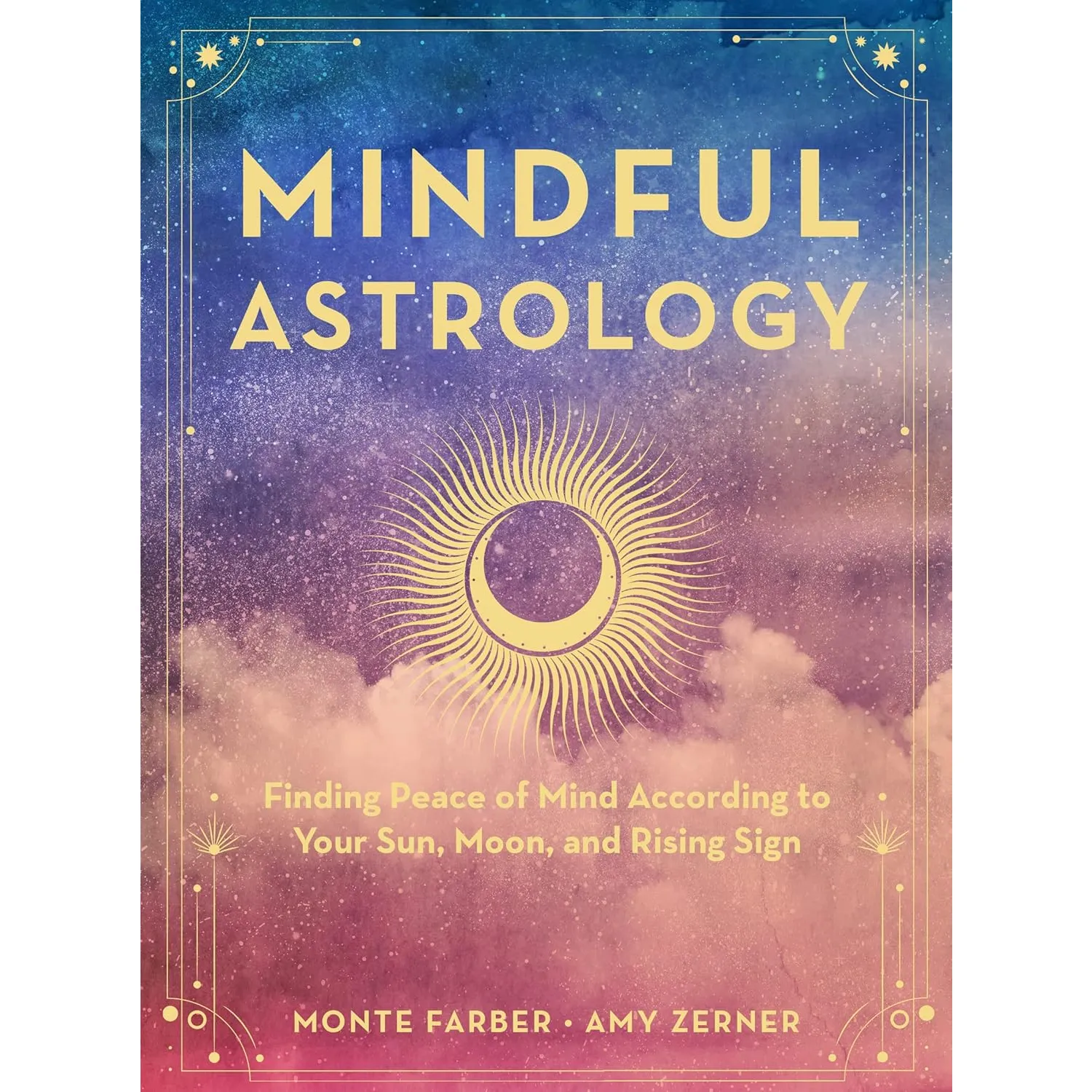
One of the more unexpected findings from Booking.com's 2026 data involves what they term Destined-ations — travel decisions influenced by spiritual guidance, astrology, or metaphysical beliefs. Among Vietnamese respondents, 78% said they would consider canceling a trip based on recommendations from a spiritual advisor, and 73% said they would revise travel plans based on astrology warnings.
These are not small numbers. They reflect a broader cultural openness to non-rational frameworks for decision-making — particularly in travel contexts where the stakes feel personal and the outcomes feel meaningful. Among Gen Z specifically, 71% described sensitivity to spiritual exploration as part of how they approach journey planning.
For the practically-minded traveler, this trend does not necessarily mean outsourcing trip decisions to a horoscope. What it does suggest is that many people are looking for a deeper sense of meaning and alignment in how they travel — a feeling that the trip was "meant" for them in some way. Destinations with strong spiritual or cultural heritage, from temple circuits in Southeast Asia to sacred landscapes in Japan, serve this need without requiring any particular metaphysical commitment.
Milestone Travel and the Personal Reward Trip

Travel as a reward for personal achievement is not a new concept, but in 2026 it has become considerably more deliberate and structured. According to Booking.com's research, 84% of Vietnamese respondents said they book trips as a personal reward for hard work or significant life events. Among those, 33% were celebrating a new job or promotion, another 33% were marking a health milestone, and 17% were processing the end of a relationship.
The range of triggers is notable. This is not simply affluent travelers treating themselves to luxury holidays. It is people of all backgrounds using travel as a conscious tool for processing transition — marking the end of one chapter and the beginning of another through physical movement and new experience. The act of going somewhere new becomes a ritual of self-acknowledgment.
For the travel industry, this trend has clear practical implications. Hotels, tour operators, and experience designers who build packages specifically around life transitions — framing the journey as a personal milestone rather than a generic getaway — are increasingly well-positioned to attract this segment. In Vietnam, this could mean a solo hiking trip to Sapa following a major career change, or a quiet coastal retreat in Phú Quốc as a deliberate reset after a difficult period.
Road Trips Reimagined: Flexibility, Community, and AI-Powered Routes
The classic road trip has been thoroughly updated for 2026. Booking.com's data shows that 92% of respondents are willing to share vehicles with other travelers they do not know, and 84% already use apps to find travel companions for road journeys. The appeal, cited by 93% of those interested, combines flexibility with the possibility of forming genuine connections along the way.
Technology plays a central organizing role here. Among those planning road trips, 81% reported using AI tools to generate personalized route recommendations — not just suggesting landmarks, but adapting the itinerary to the traveler's pace, interests, and spontaneous detours. This represents a meaningful shift from the rigid point-to-point road trip toward something far more fluid and responsive.
For Vietnam, the country's geography is exceptionally well-suited to this format. The coastal road along Highway 1A, the mountain passes of the North — particularly the Mã Pí Lèng Pass in Hà Giang — and the highland routes through the Central Highlands all offer the combination of scenic variety and logistical flexibility that defines the reimagined road trip experience. The difference in 2026 is that travelers are no longer doing this alone, and they are no longer planning it all in advance.

What These Trends Actually Mean for How You Travel
Three clear threads run through all of these trends. First, personalization has moved from preference to expectation — travelers in 2026 are not satisfied with one-size-fits-all packages, and the data from Booking.com across 29,000 respondents makes this difficult to argue against. Second, technology — particularly AI — is no longer a background tool but an active participant in itinerary design, from skincare-based destination selection to real-time route adjustments. Third, travel has taken on explicit emotional and psychological weight: people are using it to mark milestones, process memories, explore identity, and seek meaning.
For anyone planning a trip in 2026, the most practical takeaway is this: the more clearly you can articulate what you actually want from a journey — not just the destination, but the emotional experience you are seeking — the more effectively you can design a trip that delivers it. That clarity is itself a form of personalization, and it is accessible regardless of budget or destination.
Vietnamese travelers, based on the data, are already well ahead of many global markets in embracing these shifts. The question is not whether personalized travel is a real trend — it clearly is — but how quickly the local travel industry will adapt its offerings to meet that demand with genuine depth and specificity.
Frequently Asked Questions
How is personalized travel different from regular custom tour packages?
Custom tour packages typically offer a pre-set selection of add-ons within a fixed itinerary. Personalized travel in the 2026 sense goes further — it starts from the traveler's identity, values, or emotional goals and builds the entire journey around those. A glow-cation, for example, is not a spa upgrade added to a beach holiday; it is a trip where skincare and wellness outcomes define every element of the itinerary from destination selection to accommodation choice.
Do I need a large budget to experience personalized travel trends?
Not necessarily. Nostalgic travel — one of the most popular trends identified by Booking.com — can be as simple as revisiting your hometown or a place connected to your family history. Literary travel similarly requires only the research to identify meaningful locations and the intention to engage with them thoughtfully. The higher-cost versions of these trends exist, but the core principle of aligning your journey with personal meaning is budget-agnostic.
Which destinations in Vietnam are best suited for these new travel trends?
Hội An and Huế align well with nostalgic and cultural travel due to their preserved heritage and traditional craft industries. The Hà Giang loop serves the reimagined road trip segment exceptionally well. Phú Quốc and Đà Lạt both offer strong infrastructure for wellness and glow-cation experiences. For spiritual travel, destinations like Chùa Bái Đính in Ninh Bình or the temple circuits around Huế carry significant resonance.
How reliable is AI for planning personalized travel itineraries in 2026?
AI tools have improved significantly in itinerary personalization, particularly for route planning and accommodation matching based on stated preferences. However, they still have limitations around hyperlocal knowledge — understanding which specific street in a small village has the best artisan workshops, for example. The most effective approach combines AI for structural planning and broad research with local guides or community knowledge for the granular details that make a trip genuinely memorable.
Is the trend toward spiritual or astrology-guided travel specific to Vietnam or Southeast Asia?
The Booking.com data does show strong numbers specifically from Vietnamese respondents, which likely reflects broader cultural familiarity with spiritual frameworks in Vietnamese society. However, the trend has global dimensions — interest in Destined-ations travel was recorded across all 33 countries surveyed. What differs is the specific cultural lens: astrology-guided travel in Vietnam may center on lunar calendar considerations, while in other markets it might draw on Western astrology or indigenous spiritual traditions.